


 Veterinary care
 Ways to get care
 Visit information
 Pet wellness plans
 Virtual petcare
 Pet Chat™ information
 Locations
 MyBanfield
 Shop packages now
 Request information
 Package FAQs
 NEW! Banfield Access Plan
 Pet health articles
 Puppy care
 Kitten care
 Senior care
 Dental care
 Diet and nutrition
 Ear care
 Parasites
 Fleas
Fleas Ticks
Ticks Mites and mange
 Worms
Worms Skin and coat care
 Mobility
 First aid
 Vaccinations
 End of life care
 Podcast - Not Just Fluff
 Traveling with your pet
 Video vault
 About us
 Contact us
 Newsroom
 Our leadership
 Shop
Shop
 Locations/appointments

 Print
Print
signs of dehydration in dogs and cats
Why hydration is serious business
Like all living creatures, water plays an essential role in the health of your dog or cat. Water helps support organ function, circulation, digestion, and temperature regulation, and when your pet doesn’t receive enough water, dehydration can develop and escalate quickly.
In this article, we’ll go over the most common signs of dehydration in dogs and cats, what causes it, and when to contact your vet.
What is dehydration?
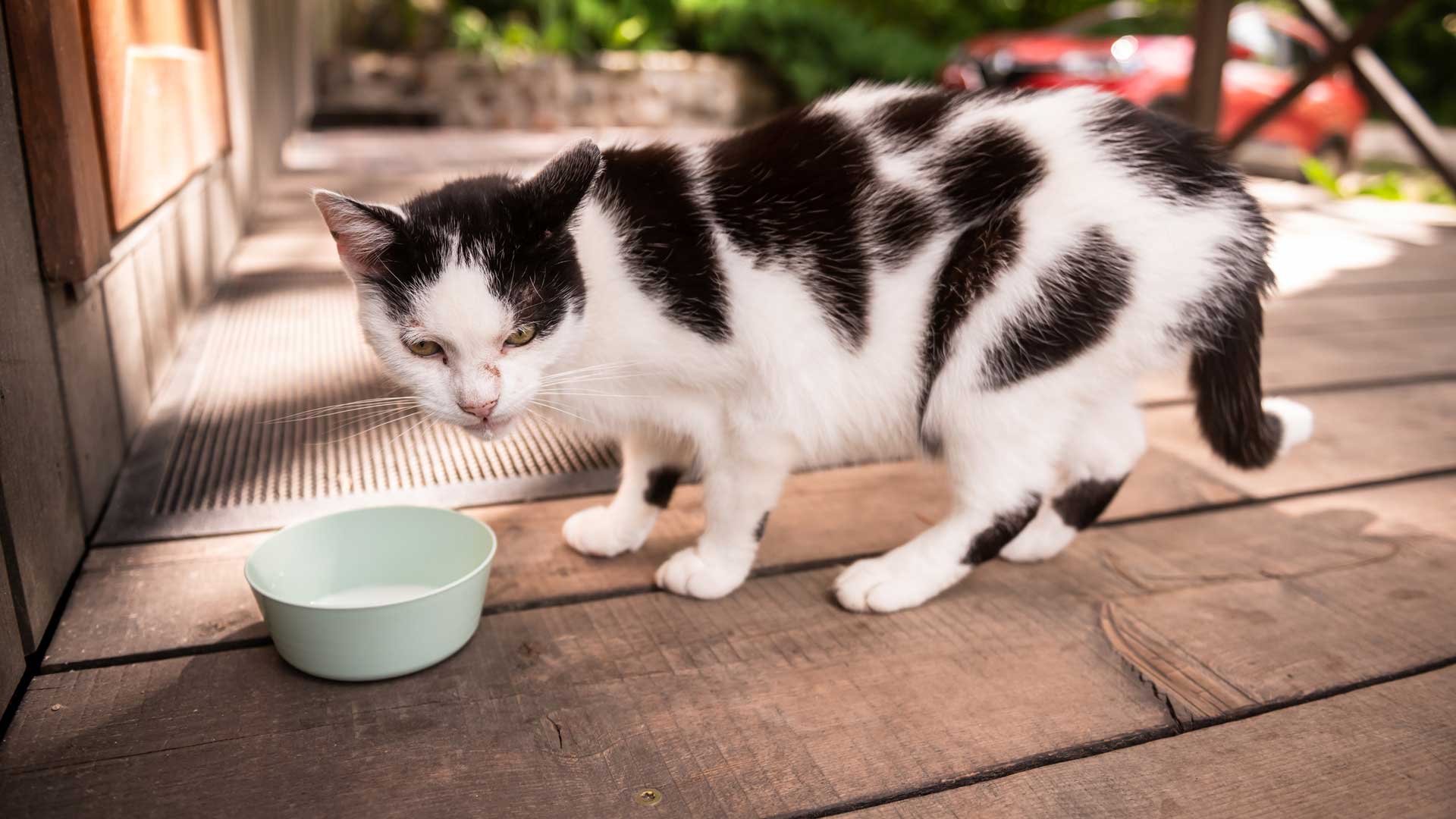
Dehydration is when a dog or cat loses more fluids than they take in, and this imbalance can affect bodily functions. Cats are even more prone to dehydration because they have a lower thirst drive than dogs.
Common causes of dehydration:
- Not drinking enough water
- Hot weather
- Living in a dry climate
- Excessive activity
- Vomiting
- Diarrhea
- Fever or illness
Signs of dehydration in dogs and cats
Signs of dehydration can range from mild to severe, depending on the dog or cat. Here’s what to keep an eye out for.
Mild-to-moderate symptoms:
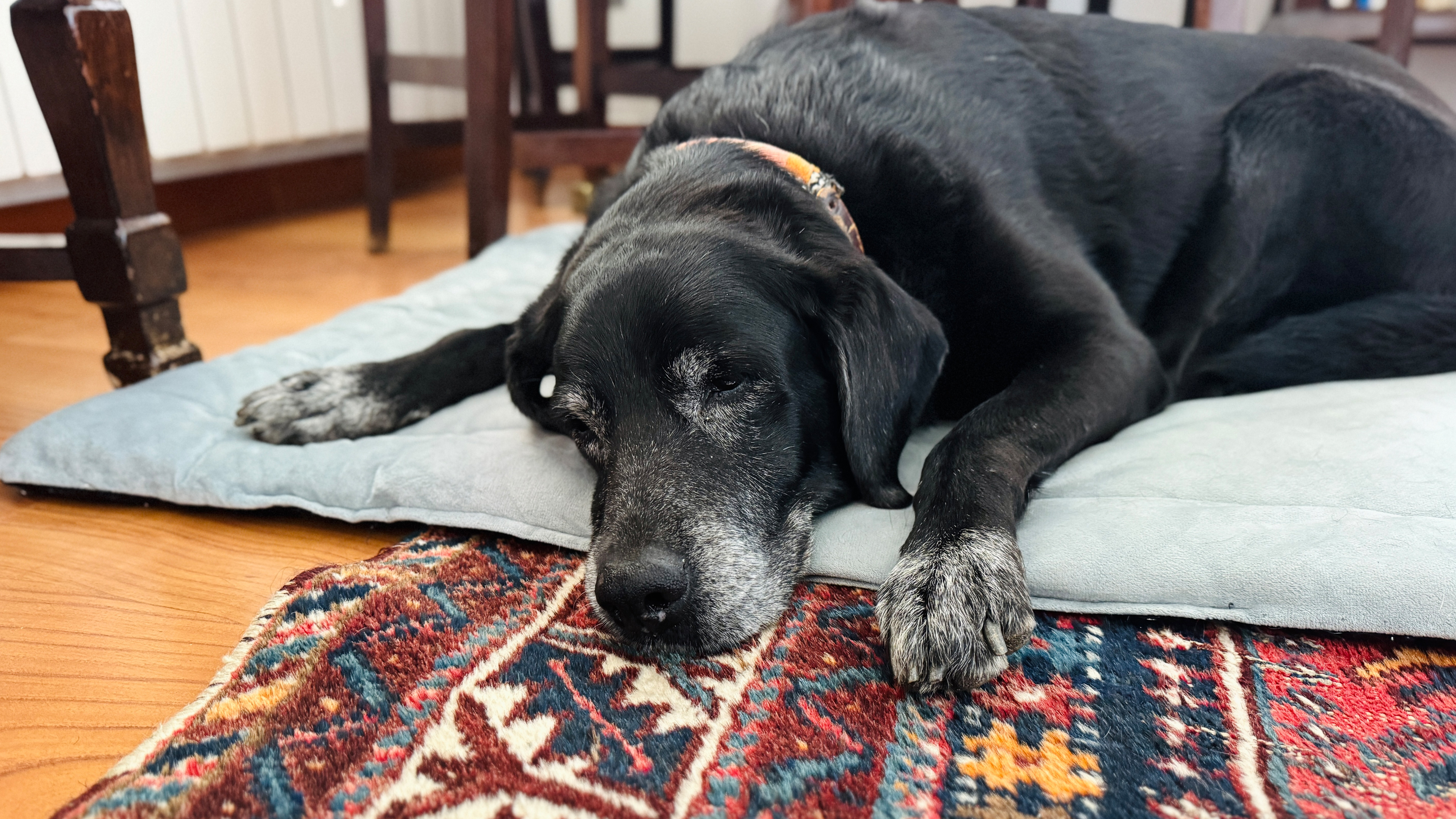
- Reduced energy/lethargy
- Dry, sticky, or pale gums
- Panting more than usual (especially in dogs)
- Unusual behavior or confusion
- Loss of skin elasticity
- Reduced appetite
Severe symptoms:
- Dark-yellow urine or decreased urination
- Sunken eyes
- Increased heart rate
- Collapse
Not sure if your dog or cat is dehydrated? Try the skin test!
Gently tug up the skin over your dog’s or cat’s shoulder blades and let it go. In a hydrated dog or cat, the skin will snap back into place. If they’re dehydrated, the skin will stay up. At this stage, it’s serious business and you should contact your veterinarian right away.
Note: Do this test before your dog or cat is at risk of being dehydrated so you know what their skin looks like when it snaps back.
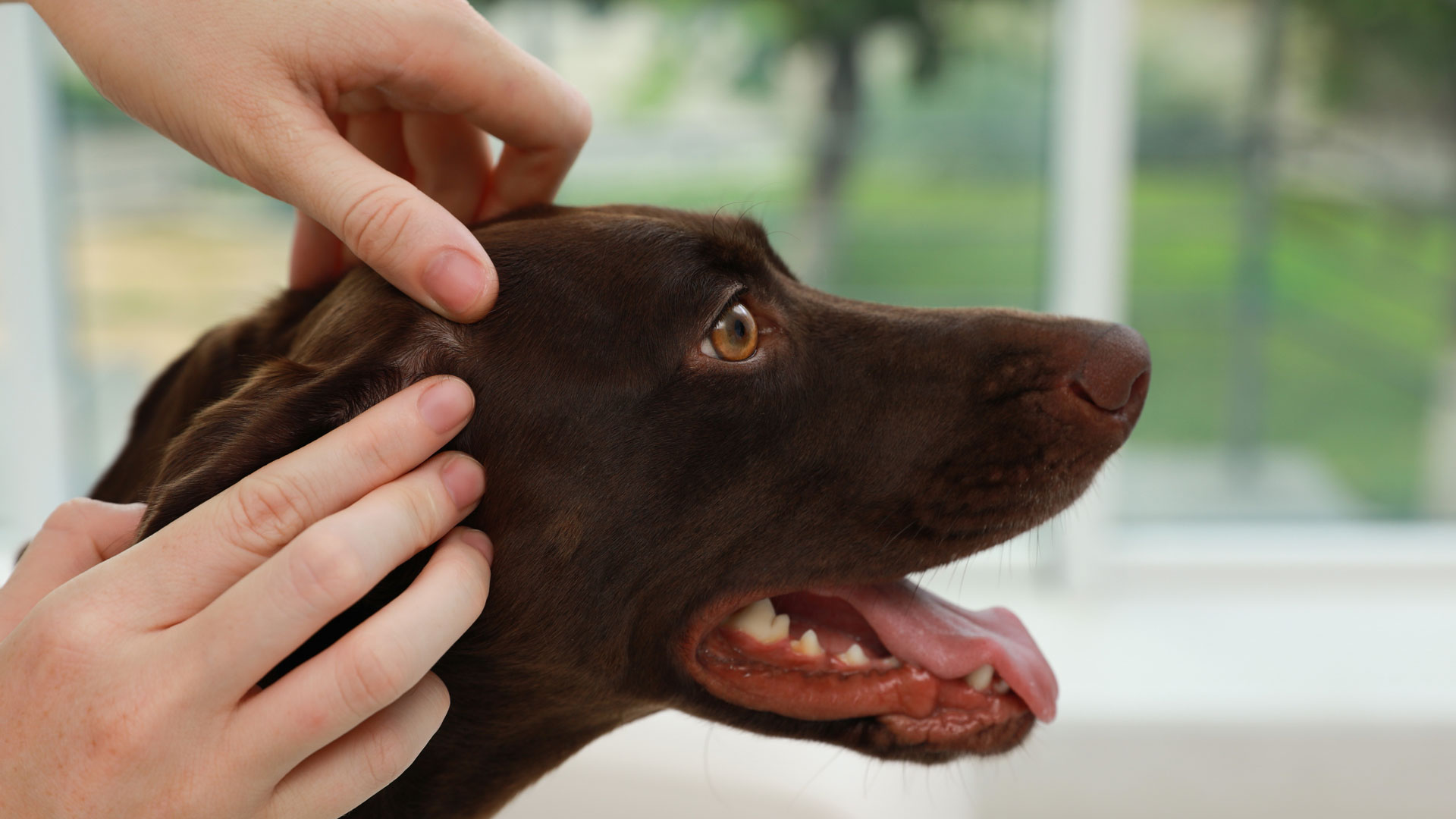
Another helpful way to check for dehydration is by your dog’s or cat’s gums or nose. If their gums are sticky or have thick saliva, or their nose is dry and not moist as usual, they’re probably dehydrated.
How dehydration affects your dog’s or cat’s health
If left untreated, dehydration can cause serious harm to your pet’s health. Lack of fluid intake means less oxygen is delivered to organs and tissues, particularly the kidneys, which can cause organ failure or even death. Dehydration also causes electrolyte imbalance and can affect muscle contraction and heart rhythm as well as worsen existing health conditions.
When to contact your veterinarian
Dehydration isn’t an emergency, but it can be if your pet is showing any of these signs:
- Dehydration lasting longer than 24 hours
- Ongoing vomiting, diarrhea, or refusing to drink water
- Symptoms worsening quickly
- Odd behavior, confusion, or collapse
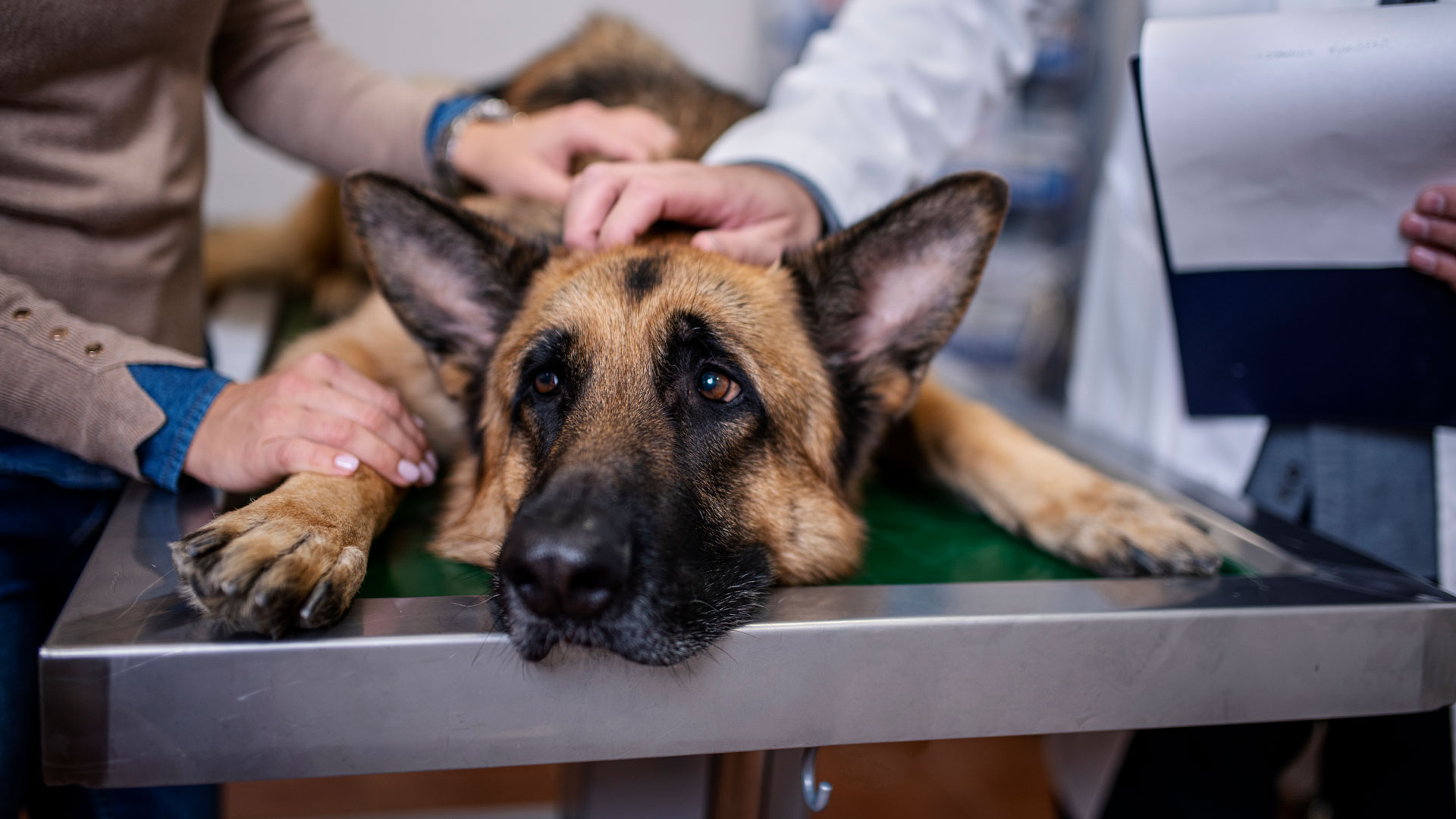
Prompt veterinary care can help. Your vet will most likely give your pet fluids to help replace what was lost and prevent any further damage to organs that may have taken place.
If your dog’s or cat’s dehydration symptoms are mild, make sure to give them access to plenty of water and keep an eye on them for any abnormal behavior.
Ways to keep your dog or cat hydrated
Making sure your dog or cat is well hydrated starts at home. Here are three easy hydration habits to stick to daily:
- Provide easy access to clean and fresh water
- Refresh the water throughout the day
- Watch your pet’s intake, especially during hot weather or when they’re sick
Also, keeping up with your dog’s or cat’s regular veterinary care is a great start. If hydration is a concern, your veterinarian can help diagnose any underlying issues or offer guidance on how to best keep your pet hydrated.
How much water dogs or cats should drink each day
Dogs: Dogs should drink one ounce of water per pound of body weight per day. That means if your dog weighs 65 pounds, they should drink 65 ounces of water a day (roughly the equivalent of a ½-gallon milk container).
Cats: Cats should drink 4 ounces of water per 5 pounds of lean body weight per day. That means a 10-pound cat should drink around one cup of water a day, especially if they eat dry food. Wet food helps provide some hydration for your cat.
Bottom line
Dehydration can be easy to miss with the busyness of life, but it’s an important health factor to stay on top of — not only for your pets, but for you as well.
Keep a daily checklist of hydration to-dos such as refreshing your pet’s water bowl throughout the day with fresh water and watching to make sure they’re drinking water regularly.
If you have any concerns about your pet’s hydration, we’re happy to help! Contact a Banfield veterinarian today.
Important Notice: The information provided on this page is for informational purposes only and is not a substitute for professional veterinary advice. Always consult a veterinarian with any questions regarding your pet’s health or medical condition. Never disregard or delay seeking professional veterinary advice based on information from this page.


 Pet Chat™


 Appointment details


 Pittsburgh Village East
 847-816-4667


 Notes for the vet

 This is a note for users pertaining to specific appointment types, requests, requirements, or other items.