



 Veterinary care
 Ways to get care
 Visit information
 Pet wellness plans
 Virtual petcare
 Pet Chat™ information
 Locations
 MyBanfield
 Shop packages now
 Request information
 Package FAQs
 NEW! Banfield Access Plan
 Pet health articles
 Puppy care
 Kitten care
 Senior care
 Dental care
 Diet and nutrition
 Ear care
 Parasites
 Fleas
Fleas Ticks
Ticks Mites and mange
 Worms
Worms Skin and coat care
 Mobility
 First aid
 Vaccinations
 End of life care
 Podcast - Not Just Fluff
 Traveling with your pet
 Video vault
 About us
 Contact us
 Newsroom
 Our leadership
 Shop
Shop
 Locations/appointments

 Print
Print
what to know about New World screwworms
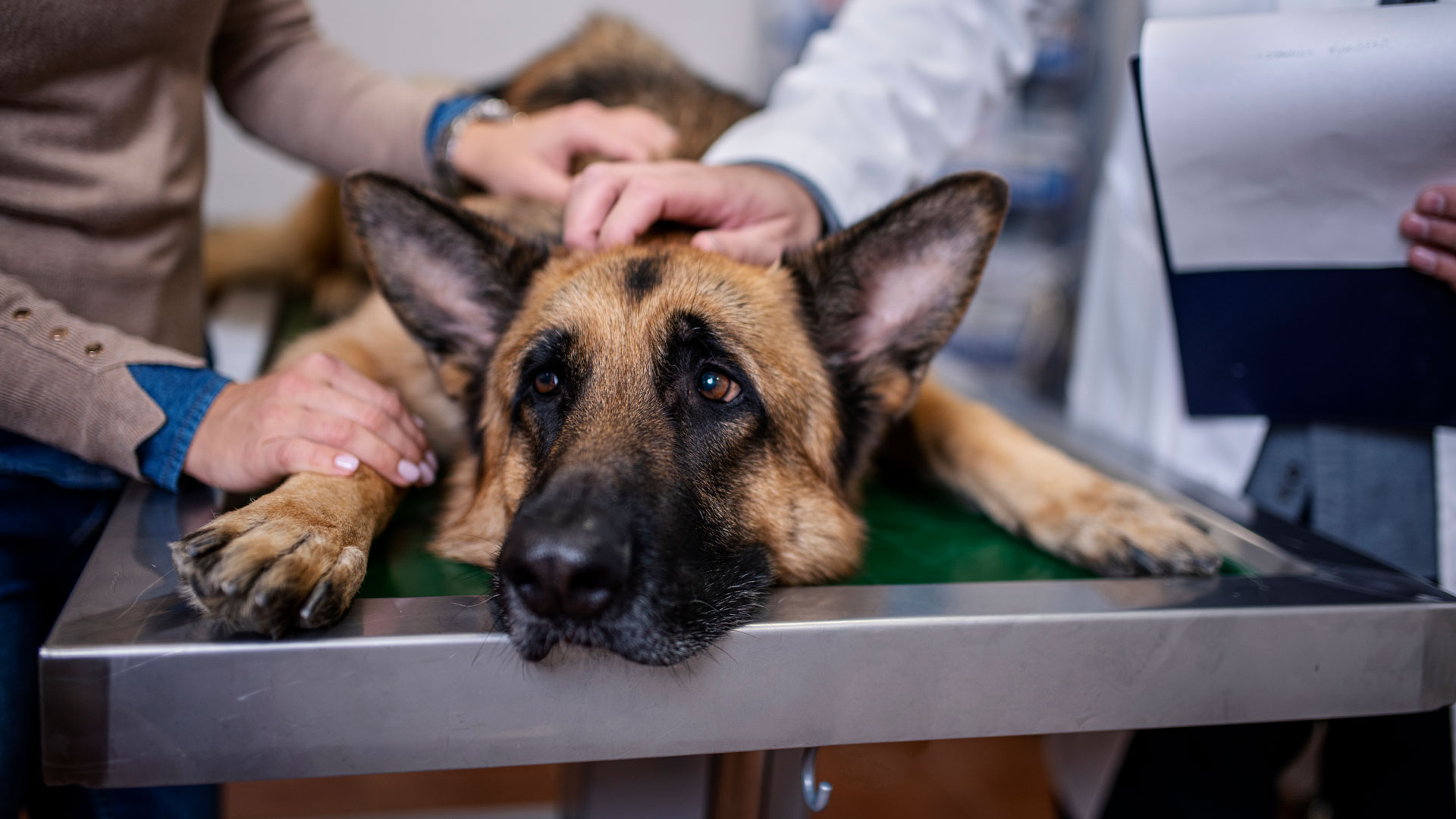
Most pet owners are familiar with fleas, ticks, and heartworms, but many have not heard of New World screwworm. Though these parasites are uncommon, they can still cause serious infection for dogs, cats, and other animals. The good news is that with awareness and preventive care, you and your veterinarian can help keep your pet safe.
What are New World screwworms?
New World screwworms are the larvae of a fly called Cochliomyia hominivorax. Unlike other flies that feast on dead tissue, these unique flies feed on living tissue in a live animal. The fly’s attraction to existing open wounds on live animals can cause the wounds to painfully worsen and even potentially lead to death if untreated.
Which animals are affected?
Screwworms don’t just affect dogs and cats — they infect all warm-blooded animals. In rare cases, people too. This makes it all the more important to be aware of screwworms in your environment.
How do pets get infected by screwworms?
A dog or cat can become infected when a female screwworm lays eggs along the edges of a wound. The wound can be small — so small that it’s not even visible by the naked eye. The flies are attracted to open cuts, scrapes, surgical or healing wounds, and umbilical areas of newborn puppies or kittens. Once the eggs hatch, they become larvae (otherwise known as maggots) that dig into the wound and feed on the tissue. Pretty gross, right?How can I tell if my pet might have screwworms?
If your pet has an open wound, no matter how small, monitor it closely. Signs of a possible infestation include:
- A wound that is not healing
- A foul or unusual odor from the wound
- Visible movement (larvae) in the wound
- Pain or sensitivity to touch around the wound
If you notice any of these signs, contact your veterinarian right away.
Is screwworm contagious?
No — screwworm infections are not contagious, meaning your pet cannot pass the larvae directly to you or another pet. However, if the larvae mature into adult flies, these adults will be released into the environment where they can infect other individuals with wounds. Your veterinarian can provide you with care instructions to prevent infection in your dog or cat.
What should I do if I suspect my dog or cat has screwworms?
If you suspect screwworms, contact your veterinarian as soon as possible. If left untreated, screwworm infections can cause serious health issues, even death.
How might my veterinarian treat my pet?
Your veterinarian will exam your pet and the wound. They can safely remove larvae, submit for testing, and start your pet on the appropriate treatment for the infection. Your pet may need to be hospitalized or come in for multiple visits if the disease has progressed and needs further monitoring.
Can screwworm infections be prevented?
Yes, screwworm infections can be prevented, and your veterinarian can recommend a preventive medication that is specific to your pet’s needs. Preventive medications can help reduce the risk of screwworm infestation and keep your pet protected year-round. In addition to year-round protection, you should regularly check your pet for wounds and any of the signs listed above. If you have any questions or concerns, please schedule an appointment with your vet.
Are there other flies that affect wounds?
Yes. Many types of flies can lay eggs in wounds, causing what’s called myiasis (larvae infestation). Because different fly larvae can look similar, your veterinarian will need to collect multiple larval samples.
These samples are sent to a diagnostic laboratory for accurate identification, which will help ensure appropriate treatment and preventive recommendations.
New World screwworm is a reportable disease, so it is important that you seek veterinary care if you suspect your pet has a larval infestation.
Are screwworms in my area?
It can be difficult to predict exactly where screwworms will appear. As the temperature rises, it's expected that screwworms will spread. It is possible they could be seen in many parts of the United States during hotter months.
Staying vigilant is key — especially in warm weather. Discuss preventive options with your veterinarian and how to keep your pet safe.
Important Notice: The information provided here is for educational purposes only and is not a substitute for professional veterinary advice. Always consult your veterinarian with questions about your pet’s health or medical condition. Never disregard or delay seeking professional veterinary advice based on information from this page.






 Pet Chat™


 Appointment details


 Pittsburgh Village East
 847-816-4667


 Notes for the vet

 This is a note for users pertaining to specific appointment types, requests, requirements, or other items.