
 Veterinary care
 Ways to get care
 Visit information
 Pet wellness plans
 Virtual petcare
 Pet Chat™ information
 Locations
 MyBanfield
 Shop packages now
 Request information
 Package FAQs
 NEW! Banfield Access Plan
 Pet health articles
 Puppy care
 Kitten care
 Senior care
 Dental care
 Diet and nutrition
 Ear care
 Parasites
 Fleas
Fleas Ticks
Ticks Mites and mange
 Worms
Worms Skin and coat care
 Mobility
 First aid
 Vaccinations
 End of life care
 Podcast - Not Just Fluff
 Traveling with your pet
 Video vault
 About us
 Contact us
 Newsroom
 Our leadership
 Shop
Shop
 Locations/appointments

Optimum Wellness Plans®
Keep your pet happy and healthy with affordable, preventive petcare packages!





Healthy ears are an important part of your pet’s overall wellness.
Ear care for dogs and cats includes routine checks and cleaning when needed, plus knowing the signs of common ear problems such as infections, ear mites, yeast overgrowth, itching, and discharge.
On this page, you’ll find practical guidance on caring for your pet’s ears at home, how to recognize signs of a problem, and when it’s time to see a veterinarian. If you notice something funky, get your pet’s ears checked.

Dogs and cats are prone to different types of ear issues. While both have an L-shaped ear canal that makes it easy for moisture and debris to get trapped inside, it’s more common for veterinarians to find ear mites in cat ears and bacterial or yeast infections in dog ears.
Some dogs are more prone to ear problems because of floppy ears, narrow or hairy ear canals, allergies, or frequent exposure to water. Cats generally develop ear infections less often than dogs, and infections in cats are often linked to another underlying problem.
Because ear conditions can cause similar symptoms, looking at those alone isn't enough to determine the right treatment.
Healthy ears generally don't need frequent cleaning, and over-cleaning can irritate the ear canal. Ask your veterinarian to help you figure out if your pet needs ear cleaning and how often.
For routine care:
For step-by-step instructions:

How to clean dog ears
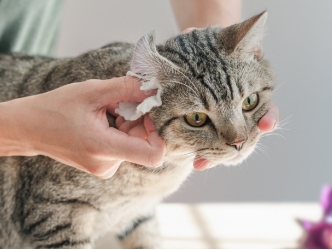
How to clean cat ears
If your pet's ear is painful, red, swollen, or producing discharge, skip home cleaning and schedule an exam. Cleaning an infected or painful ear won’t treat the issue and can cause more discomfort.
Ear problems can cause similar symptoms, but the causes and treatments can be very different. Use these guides to learn more about the signs you’re seeing and what to do next.
Ear infections
Ear infections commonly cause head shaking, scratching, redness, swelling, odor, discharge, and ear pain. Symptoms of inner ear infections result in more balance-related issues. In dogs, infections are often associated with an underlying problem such as allergies, trapped moisture, or ear anatomy. A veterinarian can use an otoscope exam and ear cytology to determine what is causing the infection.

Dog ear infection symptoms
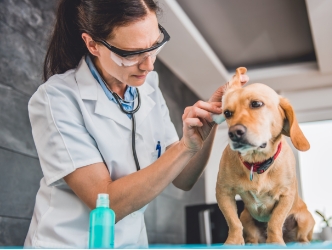
Dog ear infection treatment
Ear mites
Ear mites are tiny, highly contagious parasites that live in the ear canal. They can cause intense itching, head shaking, and dark, dry debris that may look like coffee grounds.
Ear mites are especially common in kittens and can spread between pets that live together. Learn how to recognize, treat, and prevent them:
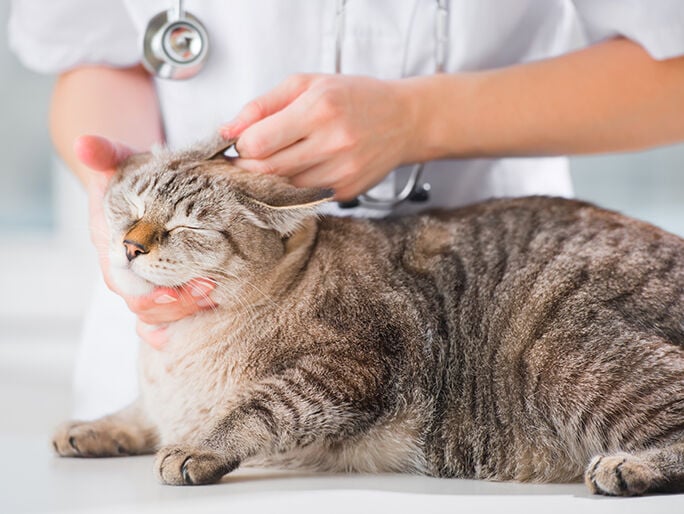
Ear mites in cats

Ear mites in dogs
Yeast infections
Yeast overgrowth can cause itching, redness, discharge, and a distinctive musty or corn-chip-like odor. Yeast infections are especially common in dogs and may be caused by underlying allergies or other skin problems.
Learn more about the signs, causes, diagnosis, and treatment:

Dog ear yeast infection
Itching and scratching
Occasional ear scratching can happen for many reasons, but persistent scratching or pawing at the ear can signal an ear infection, mites, allergies, or another problem. Head shaking is another common sign that something is irritating the ear.
If your dog keeps scratching, read about possible causes and guidance on when to see a veterinarian:

Why does my dog keep scratching his ear?
Ear problems often need more than routine cleaning. Schedule a veterinary exam if your pet has:
 frequent head shaking
persistent scratching or pawing at the ears
redness or swelling
brown, yellow, or unusual discharge
strong or unusual odor
pain or sensitivity when the ear is touched
skin that's scratched or rubbed raw around the ear
head tilt or problems with balance
ear problems that keep coming back
a visible foreign object or mass/tumor
Ear problems rarely resolve on their own or with simple ear cleaner. An exam will identify whether the cause is yeast, bacteria, mites, allergies, a foreign object, or another condition so your pet can get the appropriate treatment.
Not sure if you should schedule an exam? How to treat dog ear infections at home or know when to see a vet
A vet exam is the best way to determine what's causing an ear problem. Your Banfield veterinary team can examine the ear with an otoscope and, when needed, examine an ear sample under a microscope to look for yeast, bacteria, or parasites. For pets with recurring ear problems, your veterinarian can also look for underlying causes such as allergies and help develop a long-term care plan.
Optimum Wellness Plans® are a great way to make ear care more affordable. All packages include unlimited office visits and an ear cytology*. Explore OWPs
There isn't one cleaning schedule that works for every dog or cat. Many healthy pets need little or no routine ear cleaning, while pets prone to ear problems may benefit from a veterinarian-recommended schedule. Over-cleaning can irritate the ear canal.
Common signs include head shaking, scratching, redness, swelling, unusual odor, discharge, and sensitivity or pain around the ear. A head tilt or balance problems can indicate a deeper ear problem and should be evaluated promptly.
Recurring ear infections are often linked to an underlying problem, such as allergies, moisture, ear anatomy, or another condition that makes the ear more vulnerable to infection. Treating the infection without addressing the underlying cause can allow the problem to return.
Yes. Ear mites can spread through close contact between infected cats and dogs. If one pet has confirmed ear mites, your veterinarian may recommend treating other susceptible pets in the household to prevent reinfection.
Noticed a problem, or want a check-up? Schedule an ear exam with your Banfield veterinary team. Find a Banfield near you

Medically reviewed by Diana Luplow, DVM
*One ear cytology is included in the first year of their plan and may be added as a customization after.
Important Notice: The information provided on this page is for informational purposes only and is not a substitute for professional veterinary advice. Always consult a veterinarian with any questions regarding your pet's health or medical condition. Never disregard or delay seeking professional veterinary advice based on information from this page.

 Pet Chat™
Pet Chat™ is only available for pets on an active plan.


 Appointment details


 Pittsburgh Village East
 847-816-4667


 Notes for the vet

 This is a note for users pertaining to specific appointment types, requests, requirements, or other items.