


 Veterinary care
 Ways to get care
 Visit information
 Pet wellness plans
 Virtual petcare
 Pet Chat™ information
 Locations
 MyBanfield
 Shop packages now
 Request information
 Package FAQs
 NEW! Banfield Access Plan
 Pet health articles
 Puppy care
 Kitten care
 Senior care
 Dental care
 Diet and nutrition
 Ear care
 Parasites
 Fleas
Fleas Ticks
Ticks Mites and mange
 Worms
Worms Skin and coat care
 Mobility
 First aid
 Vaccinations
 End of life care
 Podcast - Not Just Fluff
 Traveling with your pet
 Video vault
 About us
 Contact us
 Newsroom
 Our leadership
 Shop
Shop
 Locations/appointments

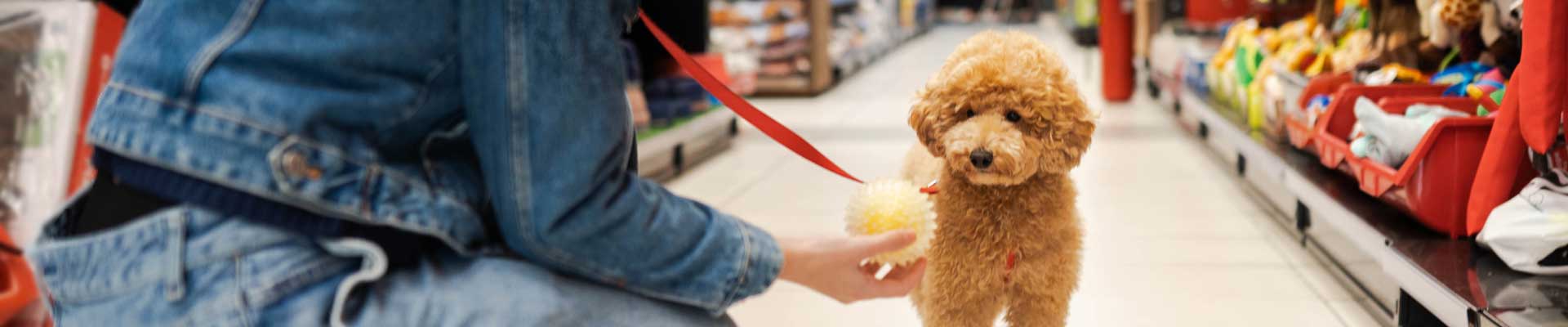


the ultimate new puppy checklist: your guide to a happy homecoming
Bringing home a new puppy is one of life’s greatest joys! But between finding the right supplies, setting up your home, and navigating sleepless nights, it’s easy to feel overwhelmed. Don’t worry — you’ve got this (and we’ve got you). Every new pet owner starts somewhere, and with a little planning, you’ll set your puppy up for success in no time.
This guide breaks down everything you need to know into three simple parts:
Part 1: Before your puppy arrives: how to prepare your home, what to buy, and how to get ready for their big day
Part 2: Your puppy’s first week: what to expect in those first few days, from crate training to the first vet visit
Part 3: Foundational puppy care and training: the basics of feeding, potty training, and socializing your pup as they grow
Wait! Before you dive in, it’s a good idea to make a veterinary appointment for your pup, so you’re ready the moment they come home. Start them off strong with Optimum Wellness Plans® designed specifically for puppies. They include two yearly comprehensive exams, unlimited office visits, routine vaccines, 24/7 Pet Chat™, nutrition guidance, and more. Explore puppy plans

Bringing a puppy home is a little like preparing for a curious toddler. Everything is new, exciting, and potentially chewable. A bit of planning before their arrival will make those first few days much smoother for both of you.
Pre-puppy arrival: How to prepare your home
Start by puppy-proofing your space. Move electrical cords, shoes, and anything small or tempting that could be a choking hazard out of reach. Block off unsafe areas with baby gates or exercise pens, and secure cabinets that hold cleaning supplies or trash.
Set up a designated puppy zone. It’s a safe area where your new companion can rest, play, and explore under supervision. This could be a corner of the living room or a sectioned-off area with their bed, crate, and toys.
Plan introductions. If you have other pets, plan slow, calm intros. Let everyone adjust at their own pace, and supervise until you’re confident everyone’s comfortable.
Stock up on cleaning essentials. Enzymatic cleaners are designed to break down pet odors. They’re a must for handling inevitable accidents during the early days of potty training.
Set up your routine. It helps to decide early where your puppy will eat, sleep, and go potty. A consistent routine will help them settle faster and feel secure.
Your new puppy shopping list: The essentials
A little preparation goes a long way when it comes to welcoming a new puppy home. Having the right supplies on hand can make the transition smoother, help with early training, and keep your puppy comfortable from day one. Here’s a breakdown of what to get and why it matters.
For mealtime
- Food and water bowls: Choose sturdy, easy-to-clean stainless steel or ceramic bowls. Avoid plastic, which can harbor bacteria or trigger allergies.
- Puppy-formulated food: Puppies grow fast and need food designed to support that growth. If your puppy has a sensitive stomach, ask your vet which formulas are easiest to digest.
- Treats for training: Soft, bite-sized treats make early training sessions fun and rewarding. Keep portions small to avoid overfeeding.
- Milk replacer: For very young or recently weaned puppies, a vet-approved milk replacer can help ensure proper nutrition during the transition to solid food.
For walks and training
- Collar and/or harness: Collars are great for holding ID tags, while harnesses give better control for leash training and protect growing necks. Your vet can help you find the best fit.
- Standard leash: A 4–6-foot nylon or leather leash is perfect for early walks and training. Nylon leashes are lightweight, affordable, and easy to clean. They’re great for growing puppies who might chew or get muddy. Leather leashes cost more but offer a comfortable grip and long-lasting durability once your puppy is past the teething stage. Avoid retractable leashes until your puppy is older and trained, since they can make it harder to teach good leash manners.
- Waste bags: Keep plenty on hand for every walk. It’s responsible, courteous, and keeps public spaces clean.
- Training clicker (optional): Clicker training can make learning faster by helping your puppy connect sound with reward.
- ID tags and microchip: Always keep identification up to date. A microchip adds an extra layer of safety if your puppy ever gets lost. Learn more about microchipping
For rest and comfort
- Crate: Choose one that’s just big enough for your puppy to stand, turn, and lie down comfortably. It should feel like a den and not a cage. The crate can also be a tool to help with potty training.
- Puppy bed: Pick a soft, washable bed, but don’t invest too much right away if you know your puppy is a chewer. (Do your best to keep them from swallowing nondigestible material.)
- Exercise pen or baby gates: These help you section off safe play areas and prevent accidents or unwanted exploration.
For play and enrichment
- Teething toys: Puppies need to chew because it soothes sore gums and keeps them from biting things they shouldn’t. Toys should be soft enough to bend with your hands, which will help prevent tooth damage.
- Puzzle toys: These encourage mental stimulation and keep boredom at bay.
- Fetch or tug toys: Great for bonding and exercise. However, take care with these because they may damage teeth.
- Comfort or anxiety toy: A stuffed toy that mimics a heartbeat and warmth can help new puppies feel safe and sleep better those first few nights.
For grooming and health
- Puppy shampoo: Always use a puppy-safe formula. Human shampoo can irritate their skin.
- Nail trimmers: Choose a size made for puppies to avoid cutting too much at once.
- Brush or grooming mitt: Regular brushing keeps coats healthy and helps you bond.
- Pet first aid kit: Stock it with vet-approved basics like bandages, antiseptic wipes, and tweezers.
Part 2: Your puppy’s first week: A day-by-day guide
Bringing your puppy home is both one of the most exciting moments you’ll ever have and one of the busiest. The first few days set the tone for your puppy’s routine, comfort, and trust. Here’s what to expect and how to help your new companion settle in.
The first 48 hours: What to expect
Your puppy’s first two days are all about adjustment. Everything is new — the sounds, smells, people, and routines. A calm environment and predictable rhythm will help your furry pal adjust.
- Keep introductions low-key: Introduce your puppy to family members one at a time to prevent overwhelm. If you have other pets, start with short, supervised meetings.
- Expect some crying or restlessness: It’s normal for puppies to whine at night or during quiet moments. They’re missing their littermates and learning new surroundings. Comfort them with gentle reassurance and a warm blanket or heartbeat toy.
- Expect a few potty accidents: Even with careful planning, your puppy is still learning where and when to go. Stay calm, clean up with an enzymatic cleaner, and remember that every accident is just part of the learning process.
- Stick to a routine: Feed, potty, and rest at consistent times. Structure helps your puppy learn faster and reduces accidents.
- Start crate training early: Keeping your puppy in a crate near where you sleep means you can keep an eye on them in case they need to go potty or need attention. Having them spend time crated during the day can help them feel more comfortable there. Explore the benefits of crate training your puppy
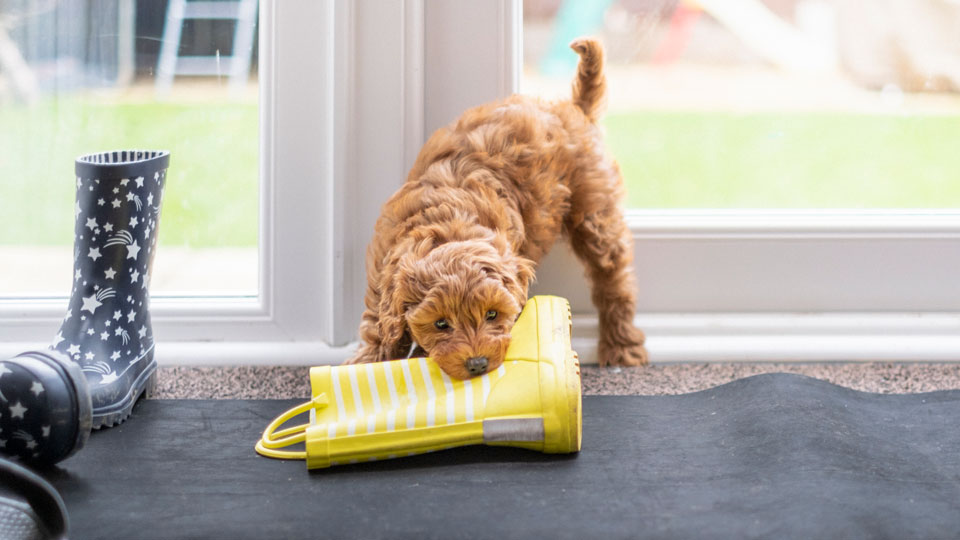
- Gently redirect inappropriate chewing: Puppies explore the world with their mouths, so chewing is completely normal, even if it’s on your shoes or furniture. Offer a toy instead and praise them when they chew on it. This teaches them what’s okay to bite and what isn’t.
- Reward good behavior: Use treats and praise to encourage positive habits like calm sitting, coming when called, or going potty outside.
If your puppy doesn’t eat much or seems nervous the first day, that’s okay. It can take 24–48 hours for them to relax. Book your puppy’s first vet visit within the first few days. Early care can help prevent issues and give you peace of mind.
What to expect at your puppy’s first vet visit
Your puppy’s first vet visit is a big milestone! It’s where their preventive care journey begins. Ideally, schedule it within 3–5 days of bringing them home.
At this visit, your vet will:
- Perform a full physical exam and weight check to assess overall health and growth.
- Test for intestinal parasites (a common issue in young puppies).
- Review the core vaccination schedule, usually starting around 6–8 weeks of age. Learn more about which vaccines your puppy needs
- Discuss deworming, flea and tick prevention, and spay/neuter timing.
- Answer questions about feeding, behavior, and training.
This first visit is also your opportunity to start a wellness plan that grows with your puppy.
Our Optimum Wellness Plans make it easier to stay on track with exams, vaccines, and more so you can focus on bonding instead of budgeting. Explore OWPs
Part 3: Foundational puppy care and training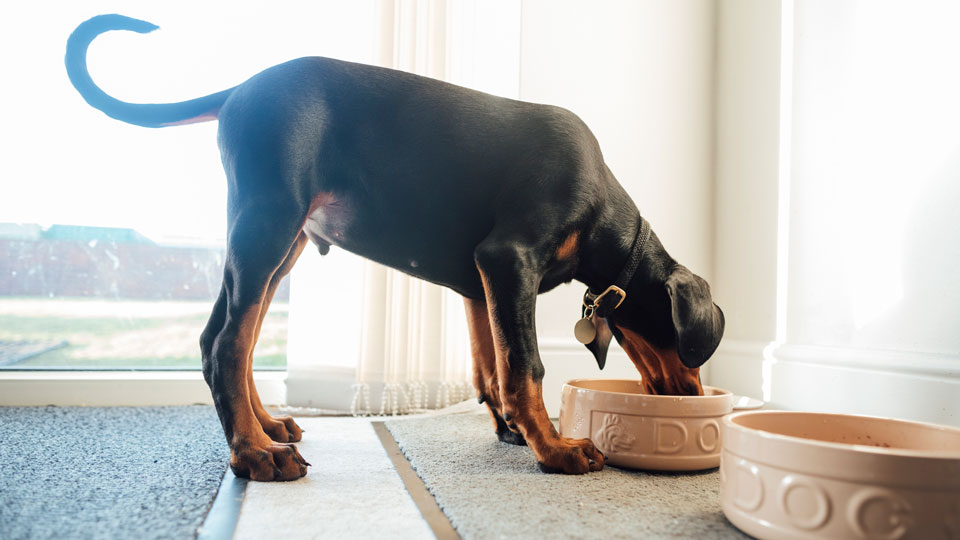
Once your puppy starts settling in, you can focus on building healthy routines that set them up for a well-adjusted life. From nutrition and potty training to early socialization, this stage is all about consistency, patience, and plenty of positive reinforcement.
A beginner’s guide to puppy nutrition and feeding
Good nutrition is the foundation of your puppy’s growth and health. Puppies have higher calorie and nutrient needs than adult dogs, so choosing a high-quality puppy food is key.
- Pick the right formula: Look for food labeled for your puppy’s breed size (small, medium, or large). Puppies with sensitive stomachs may benefit from a vet-recommended diet.
- Feed on a schedule: Most puppies do well with three meals a day until around six months old. After that, transition to two meals a day.
- Watch for fast eaters: If your puppy gulps their food, try a slow-feeder bowl to prevent bloating or upset stomach.
- Signs of food sensitivity: Itching, loose stool, or vomiting can signal that it’s time to adjust your puppy’s diet. Talk to your vet before making big changes.
Need help figuring out how much to feed your puppy? Check out our How much to feed your puppy guide for more details
Time to start potty training your puppy
Consistency is everything when it comes to potty training. Puppies learn best when they know exactly where and when to go.
- Pick a potty spot: Choose one outdoor location and take your puppy there often —after meals, naps, and playtime.
- Have the right tools: Crates and puppy pads can be helpful while you’re still establishing a consistent potty routine.
- Use enzymatic cleaner: Puppies often choose the same spot to go because they can smell their own scent, which signals a familiar “bathroom” area. Always clean up accidents thoroughly with an enzymatic cleaner that removes the scent and discourages your puppy from returning to the same spot, helping them learn the correct potty area more quickly.
Expect progress (and setbacks): Even with a routine, accidents will happen. Stay calm, keep rewarding success, and remember that patience pays off.
The basics of socialization and positive training
Socialization teaches your puppy how to handle the world with confidence and curiosity. The first 16 weeks of life are a critical window for shaping your puppy’s comfort with new experiences — people, other animals, sounds, and environments. Positive early interactions help prevent fear, anxiety, and aggression, setting the foundation for a well-adjusted adult dog. Gentle, reward-based training during this period also reinforces good behavior and builds trust, helping your puppy feel safe as they explore and learn.
- Start with simple commands: “Sit,” “stay,” and “come” build focus and trust.
- Use positive reinforcement: Reward good behavior with treats or praise, never punishment. Negative reinforcement or scolding can create fear, anxiety, and confusion, which slows learning and can harm your bond.
- Redirect calmly: If your puppy chews or jumps, guide them toward a toy or cue instead of scolding.
- Expose gradually: Introduce new experiences one at a time: short car rides, walks in different areas, or meeting gentle, vaccinated dogs.
You can start training at home with simple commands and consistent routines, which work well for most puppies. For additional guidance, structured training classes provide expert support, socialization opportunities with other puppies, and a chance to practice skills in a controlled environment. Both approaches can complement each other, helping your puppy build confidence and good habits.
Important Notice: The information provided on this page is for informational purposes only and is not a substitute for professional veterinary advice. Always consult a veterinarian with any questions regarding your pet's health or medical condition. Never disregard or delay seeking professional veterinary advice based on information from this page.
FAQs about new puppy preparation
Why does my puppy keep peeing in the same spot inside?
Scents can linger even after cleaning. Use an enzymatic cleaner to break down odor and discourage repeat accidents.
How do I stop my puppy from chewing furniture?
Redirect them to a toy instead. Keep teething toys within reach and reward when they chew appropriately.
How can I help my puppy feel less anxious?
Create a calm routine and use comfort tools like a snuggle toy or soft blanket. Avoid loud noises or overstimulation during the first few weeks.
Can I use human shampoo on my puppy?
Please don't. Human shampoos can irritate a puppy’s sensitive skin. Always use a gentle, puppy-formulated shampoo.
Do I need to buy an expensive bed for a puppy that chews?
Not yet. Start with a durable, washable bed until your puppy outgrows the chewing phase.
Ready to welcome home your new furry friend?
You’ve got everything you need, and now it’s time to start your adventure together.
Give your puppy the best start. Schedule their first exam today.


Early Care
Designed for growing puppies.
Help protect your puppy from harmful diseases and support their health as they grow.
See what's included
Early Care Plus
Designed for growing puppies – includes a spay or neuter surgery.
All the services in Early Care, plus an additional discount and a spay or neuter procedure.
See what's included

doggie dilemma? cat conundrum?!


 Pet Chat™


 Appointment details


 Pittsburgh Village East
 847-816-4667


 Notes for the vet

 This is a note for users pertaining to specific appointment types, requests, requirements, or other items.