


 Veterinary care
 Ways to get care
 Visit information
 Pet wellness plans
 Virtual petcare
 Pet Chat™ information
 Locations
 MyBanfield
 Shop packages now
 Request information
 Package FAQs
 NEW! Banfield Access Plan
 Pet health articles
 Puppy care
 Kitten care
 Senior care
 Dental care
 Diet and nutrition
 Ear care
 Parasites
 Fleas
Fleas Ticks
Ticks Mites and mange
 Worms
Worms Skin and coat care
 Mobility
 First aid
 Vaccinations
 End of life care
 Podcast - Not Just Fluff
 Traveling with your pet
 Video vault
 About us
 Contact us
 Newsroom
 Our leadership
 Shop
Shop
 Locations/appointments



puppy development stages: what to expect as your dog grows
Puppyhood is one of the most exciting — and sometimes overwhelming — chapters of dog ownership. One day your puppy is a sleepy ball of fluff and the next they’re zooming through the living room testing every rule you’ve taught them. The truth is, those sudden changes are all part of growing up.
Understanding what’s normal at each stage can help you navigate the ups and downs with confidence. This guide breaks down your puppy’s first year of behavioral development, from newborn to young adult, with tips for responding to common challenges along the way.
And remember: you don’t have to do it alone! Our veterinary teams are here to support you at every milestone. If you ever have questions or concerns about your puppy’s behavior, you can reach out 24/7 to a veterinary professional with Banfield Pet Chat™ (available in most states). It’s available with all Optimum Wellness Plans®. Explore puppy plans

The stages of puppyhood: from newborn to young adult

0–2 weeks: the newborn stage (neonatal)
For the first two weeks, puppies are tiny bundles of fur and instinct — blind, deaf, and completely reliant on their mother. You’ll see them tucked close together in a warm pile, scooting and wiggling their way toward mom for milk and comfort. Their world is simple right now: warmth, food, and sleep. Between nursing sessions, they drift in and out of dreams, paws twitching as they nap.
If you’re caring for newborns, think “gentle and quiet.” Keep them cozy with a soft blanket and steady warmth, and let mom do most of the work. Their immune systems, senses, and little bodies are still developing, so at this stage, comfort and calm are the greatest gifts you can give.

2–4 weeks: senses awaken (transitional stage)
The world is finally coming into focus. Around two weeks old, puppies begin to blink open their eyes, their cloudy blue gaze still adjusting to the light. Soon after, little ears start to perk up at the sounds of their mother’s movements and the soft squeaks of their siblings. They start out on wobbly legs — expect a few toppled attempts before they manage a confident stand.
You’ll notice tails beginning to wag, playful nudges between littermates, and the first hints of curiosity taking shape. This is when puppies start to connect with the world and each other in ways that set the stage for all the social learning to come.

4–12 weeks: the critical socialization window
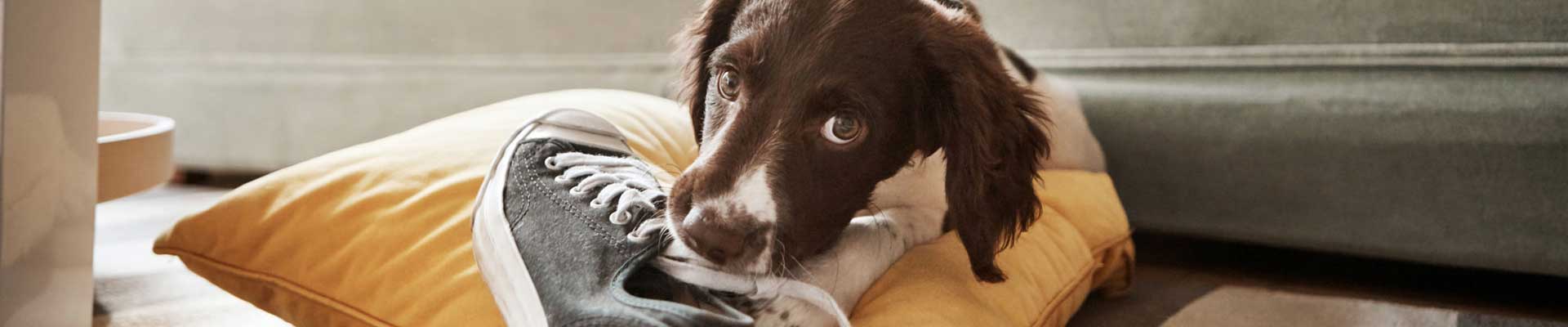
Welcome to the whirlwind stage of puppyhood. Every sound, texture, and scent is brand new! Your puppy is now wide-eyed, wiggly, and bursting with curiosity. They’re eager to explore everything from the backyard grass to the jingling keys in your hand. Play is their language, and they wrestle littermates, chase tails, and test their tiny teeth on anything within reach (even your shoelaces).
Teething is in full swing, so it’s completely normal to find your pup gnawing on furniture legs or your fingers. This is your cue to offer plenty of puppy-safe chew toys to soothe sore gums. Between naps and play sessions, they’re soaking up lessons about how to be a dog. They’re learning how hard to bite, how to read other pups’ signals, and how to feel safe in new situations.
Tip: This is the golden time for gentle introductions to the world: different people, surfaces, sounds, and experiences. Early socialization helps prevent fear and anxiety later in life. Every positive encounter builds the foundation for a well-adjusted adult dog who’s ready to take on life, one tail wag at a time.

3–6 months: the independent explorer (juvenile stage)
This stage is all about discovery, adventure, and the occasional bit of mischief! You’ll notice your pup strutting with a little more confidence, eager to explore every sound, smell, and shadow. Commands they used to follow perfectly might suddenly “slip their mind,” and boundaries will get tested (cue the puppy dog eyes). Don’t worry — this isn’t rebellion! It’s part of growing up and figuring out how the world works.
Teething kicks into high gear as those sharp baby teeth make way for adult ones. You might find chewed-up toys (or shoes) as your puppy tries to soothe sore gums. Stock up on sturdy chew toys, frozen treats, and lots of patience.
Tip: Stay consistent and keep things fun. Short, positive training sessions, just a few minutes at a time, help your puppy stay engaged and motivated. Celebrate every success with praise or a treat, and don’t be afraid to mix in play breaks. Keep introducing new sights, sounds, and safe adventures so your puppy grows into a confident, polite explorer who loves learning by your side.

6–9 months: the rebellious adolescent stage
Ah, the adolescent phase. Your once-obedient puppy might suddenly decide they know best. One day they’re sweet and snuggly, the next they’re full of sass and selective hearing. Expect bursts of wild energy, zoomies at inconvenient times, extra barking, and the occasional “Did you just roll your eyes at me?” vibe. Your furry pal might also shy away from things they were totally fine with before, like the vacuum or a neighbor’s hat. It’s all part of growing up.
This stage is big on curiosity, independence, and testing limits. Your puppy’s brain is busy figuring out how to balance excitement with self-control. It’s a skill that takes time and gentle guidance.
Tip: Patience and consistency are your best tools. Give your pup an outlet for all that energy with longer walks, puzzle toys, or a good game of fetch. Keep training sessions positive and structured. Even five minutes of “sit” and “stay” can make a difference. Stick with your routine, reward calm behavior, and remember: this wiggly ball of floof is on their way to becoming your well-mannered best friend.

10+ months: maturing into a young adult dog
Your puppy is growing up and it shows. That whirlwind of energy is starting to settle into a steadier rhythm, and the wild puppy chaos begins to give way to more focus and self-control. You might notice longer stretches of calm after playtime, better listening skills, and a puppy who’s eager to show off what they’ve learned. Training cues that once felt hit-or-miss start to stick, and everyday routines — from morning walks to bedtime snuggles — feel smoother and more predictable.
But don’t let the “grown-up” look fool you. Your dog still has plenty of playful energy and curiosity! They’re figuring out how to balance excitement with maturity, and your continued patience helps shape their confidence and manners for life.
Tip: Keep things fun and consistent. Reinforce the good habits you’ve built with regular training and praise. Daily exercise and interactive play also strengthen your bond. Whether it’s a hike, a game of fetch, or simply curling up together on the couch, moments with your pup deepen your connection and set the stage for a happy, well-adjusted adult dog.
Answering your top puppy behavior questions
Why is my puppy biting me so much? Managing nipping and mouthingWhen your puppy starts to nip, keep things calm and consistent. Redirect their attention to a chew toy made for teething puppies or a sturdy rubber toy you can freeze for soothing relief. If your puppy bites too hard, you can try saying “ouch” or “too bad,” then pause play for 30 to 60 seconds by stepping away or turning your back.
Some pet owners find that yelping like another puppy helps communicate that biting hurts. But if it only winds up your dog more, skip the dramatics. Instead, calmly say “nope,” remove yourself from play, and try again once they’ve settled. This can help your puppy learn bite control and good manners.
Ready to teach your pup gentle play habits? Start here: how to stop puppy biting
Why does my puppy get the zoomies?
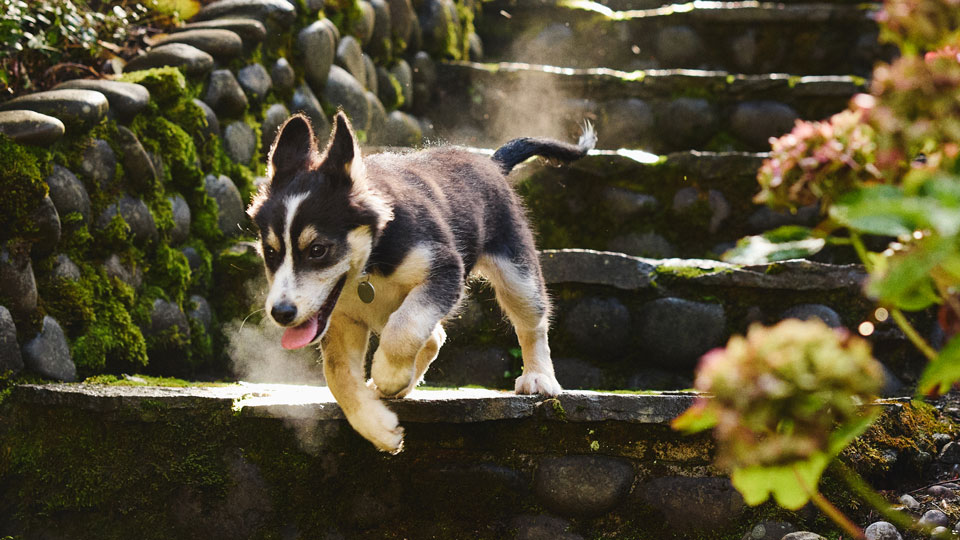
The zoomies, short bursts of running or spinning at top speed, are a normal way for puppies to release pent-up energy. They often happen first thing in the morning, in the evening, or after naps. Let your puppy run it out in a safe, open space and enjoy the show. It’s one of the purest expressions of puppy joy.
What to do when your puppy cries in the crate
Crying in the crate is common while your puppy adjusts to alone time. Make the crate a cozy, positive place with soft bedding and special crate-only toys. Start with short periods and build up gradually. Avoid using the crate for punishment so that they associate it with comfort and safety. Learn more about crate training your puppy
Is this behavior normal? A quick guide on when to call the vetNormal puppy behaviors
- Play nipping and chewing
- Occasional house-training accidents
- Barking at noises or the doorbell
- Short bursts of hyperactivity
When to call your vet
- Sudden or severe aggression
- Constant lethargy or loss of appetite
- Signs of pain or distress
- Drastic potty habit changes
When in doubt, give us a call or reach out to a veterinary professional through 24/7 Pet Chat™, available in most states through our preventive petcare packages. We’re here to help you understand what’s normal and support your puppy’s healthy development.
Important Notice: The information provided on this page is for informational purposes only and is not a substitute for professional veterinary advice. Always consult a veterinarian with any questions regarding your pet's health or medical condition. Never disregard or delay seeking professional veterinary advice based on information from this page.
More puppy behavioral FAQs
What are the 5 stages of puppy development?
The stages are Neonatal (0–2 weeks), Transitional (2–4 weeks), Socialization (4–12 weeks), Juvenile (3–6 months), and Adolescent (6–12 months). After a year, most dogs enter young adulthood.
When is the critical socialization period for puppies?
Between 4 and 12 weeks of age. This is when puppies are most receptive to new experiences and learning positive associations.
Why is my 6-month-old puppy suddenly ignoring me?
You’re not imagining it. This adolescent phase comes with boundary testing. Stay patient and consistent with training. Your puppy will mature out of it.
Is puppy nipping a sign of aggression?
Nope! Nipping is normal play and exploration. It’s rarely aggressive, especially in young puppies, and can be managed with redirection and training.
What is the “ouch” method for stopping biting?
When your puppy bites too hard, say “ouch!” in a sharp but calm voice, then pause play briefly. This teaches bite inhibition through social feedback.
Why does my puppy yawn or lick their lips?
These are calming signals. Your puppy is trying to soothe themselves or show they’re feeling uncertain or stressed.
What are the signs of a relaxed and happy puppy?
Loose body posture, wagging tail, soft eyes, and playful behavior are all signs your puppy feels safe and content.
Are house-training accidents normal at 5 or 6 months?
Yes, unfortunately occasional accidents are normal as puppies mature. Consistency, praise, and regular potty breaks help build lasting habits.
When do puppies stop chewing everything?
Most puppies outgrow constant chewing between 6–9 months, once teething ends. Keep offering chew toys to prevent unwanted chewing.
What should I do if my puppy is afraid of people?
Go slow. Avoid forcing interactions, and pair new people with treats or gentle play to create positive associations.
Give your puppy a great start
Puppyhood moves fast, but Banfield can help you stay ahead. Our Optimum Wellness Plans include essential vaccines, regular checkups, and unlimited office visits — plus options for spay or neuter. It’s preventive care tailored for your puppy’s first year.


Early Care
Designed for growing puppies.
Help protect your puppy from harmful diseases and support their health as they grow.
See what's included
Early Care Plus
Designed for growing puppies – includes a spay or neuter surgery.
All the services in Early Care, plus an additional discount and a spay or neuter procedure.
See what's included

doggie dilemma? cat conundrum?!


 Pet Chat™


 Appointment details


 Pittsburgh Village East
 847-816-4667


 Notes for the vet

 This is a note for users pertaining to specific appointment types, requests, requirements, or other items.