


 Veterinary care
 Ways to get care
 Visit information
 Pet wellness plans
 Virtual petcare
 Pet Chat™ information
 Locations
 MyBanfield
 Shop packages now
 Request information
 Package FAQs
 NEW! Banfield Access Plan
 Pet health articles
 Puppy care
 Kitten care
 Senior care
 Dental care
 Diet and nutrition
 Ear care
 Parasites
 Fleas
Fleas Ticks
Ticks Mites and mange
 Worms
Worms Skin and coat care
 Mobility
 First aid
 Vaccinations
 End of life care
 Podcast - Not Just Fluff
 Traveling with your pet
 Video vault
 About us
 Contact us
 Newsroom
 Our leadership
 Shop
Shop
 Locations/appointments



why puppies bite and how to know what is normal
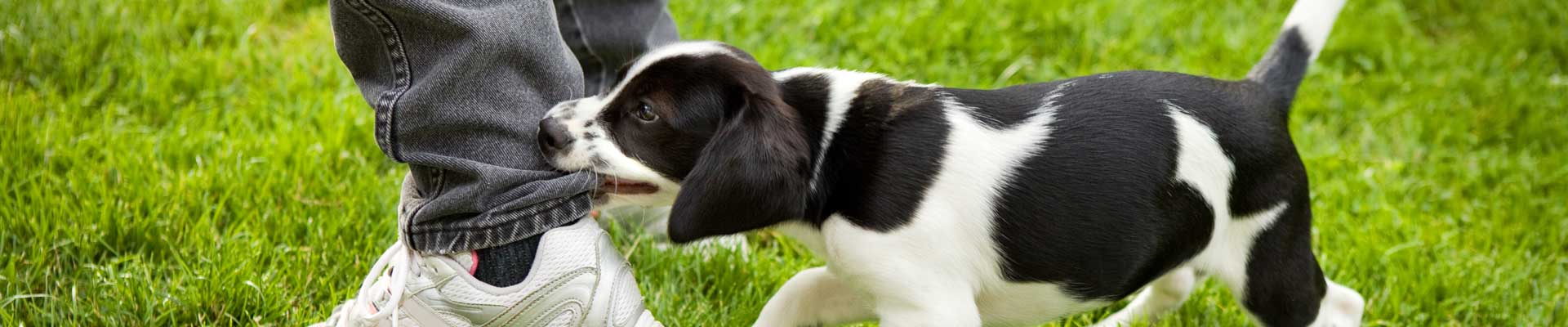
Is your puppy biting everything in sight — hands, sleeves, shoelaces, ankles? Puppy biting is incredibly common, especially in the first few months of life. And in most cases, it’s a normal part of growing up. Puppies explore the world with their mouths, just like human babies do, and biting is often tied to teething, play, or big bursts of energy.
That said, it’s understandable to feel worried or overwhelmed when the biting feels constant or intense. While most mouthing is harmless and temporary, there are times when biting can signal discomfort, stress, or an underlying health concern. Knowing what’s typical, and what’s not, can help you respond with confidence and help keep everyone safe.
If your puppy’s biting ever feels aggressive, painful, or hard to manage, your Banfield veterinary team can help you sort out what’s normal development and if it’s time to find a certified trainer. Get peace of mind with unlimited office visits with puppy Optimum Wellness Plans®.

What puppy biting usually means at each age
Puppy biting can look very different depending on how old they are. Understanding what’s happening developmentally can make the behavior feel a lot less alarming and help you spot when something might be off.
8 to 12 weeks: exploration and learning
At this age, puppies use their mouths to explore. Biting and mouthing are how they experience textures, people, and their environment. Play biting is also part of early social development, especially if your puppy recently left their littermates, where gentle nipping was a normal way to interact.
Teething is just beginning during this stage, so gums may feel sore or itchy. This combination of curiosity and mild discomfort often explains why young puppies seem especially mouthy.
12 to 20 weeks: teething peak
This is often when biting feels most intense. Baby teeth are loosening and adult teeth are coming in, which can cause gum tenderness and a strong urge to chew. Puppies at this stage may mouth more frequently or with more pressure, especially when they’re tired or overstimulated.
While this can be frustrating, it’s usually temporary. Providing safe, vet-approved chew options and maintaining predictable daily routines can help support comfort during this phase.
5 to 6 months and beyond
As teething wraps up, most puppies naturally begin to mouth less. By this point, biting during play should start to soften or fade. If biting continues frequently or seems to escalate, it may be worth paying closer attention.
Persistent or worsening biting at this age can sometimes be linked to stress, fear, pain, or unmet physical needs. A veterinary check can help determine whether your puppy’s behavior is still within the range of normal development or if something else may be contributing.
Everyday reasons puppies bite
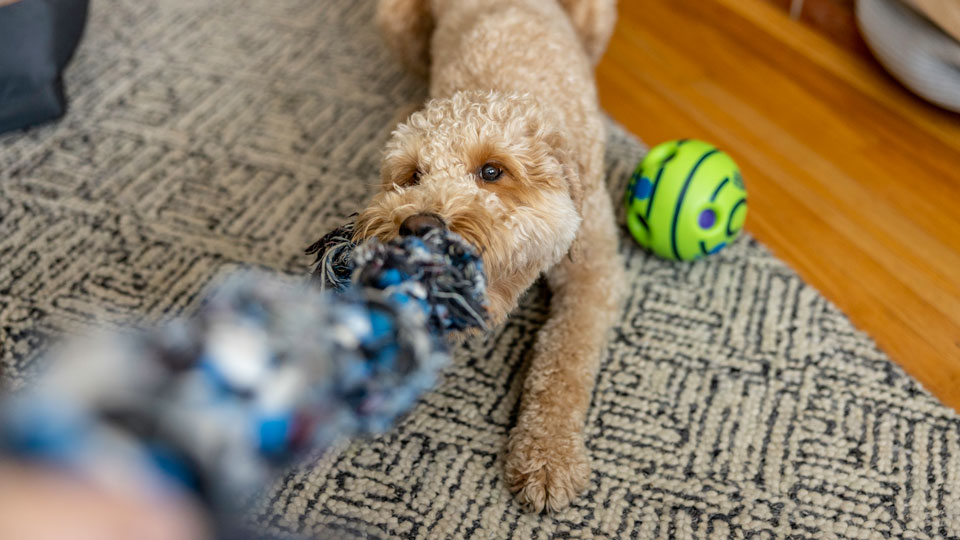
Even when biting feels constant, it’s often your puppy’s way of communicating a very ordinary need. These behaviors are common during early development and don’t usually signal aggression or a problem.
Teething discomfort
Sore, itchy gums can make puppies reach for anything nearby. Mouthing can help relieve pressure as new teeth come in.
Overexcitement
When puppies get worked up during play, greetings, or busy moments, their impulses can spill over into mouthing before they know how to settle themselves.
Fatigue or overstimulation
Overtired puppies often have a harder time regulating their behavior. They may bite more when they actually need rest or a quieter environment.
Play invitations
Puppies naturally use their mouths to initiate interaction. Biting can simply mean “play with me” or “pay attention to me,” not an intent to hurt.
Lack of sleep
Growing puppies need a surprising amount of rest each day. When they don’t get enough downtime, mouthy behavior often increases.
Rest assured, these are all part of normal puppy development. With supportive routines, safe outlets for chewing, and attention to your puppy’s overall well-being, most puppies move through this phase as they mature.
Healthy outlets and routines that support better puppy behavior
Puppies don’t bite to be difficult; they bite because their growing bodies and brains are asking for support. Focusing on their physical comfort, daily rhythms, and environment can go a long way in reducing mouthy moments.
Offer safe, vet-approved chew options
Age-appropriate chews can help soothe teething gums and give your puppy a clear, safe outlet for chewing. Rotating options can keep them interested without overstimulation.
Stick to predictable daily routines
Consistent times for sleep, meals, play, and bathroom breaks help puppies feel secure and regulated. When puppies know what to expect, they’re less likely to act out from stress or confusion.
Limit rough or overly intense play
Fast, high-energy play can escalate quickly and make it harder for puppies to control their mouths. Calm, structured interactions help keep excitement at a manageable level.
Redirect calmly and early
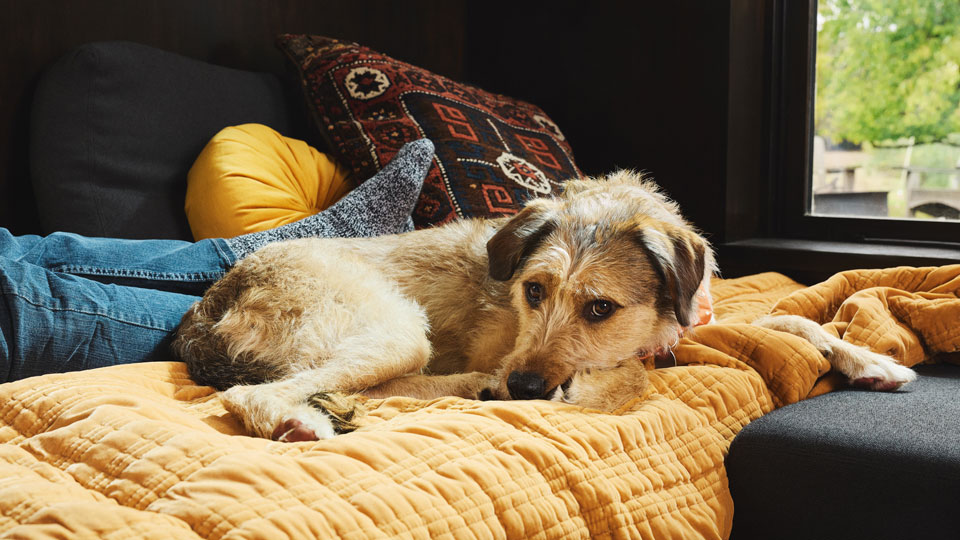
If your puppy starts mouthing, gently shifting their attention to an appropriate chew item helps protect hands and clothing without adding stress or frustration.
Create quiet spaces for rest
Puppies need downtime to reset, such as time in a crate. A calm, comfortable area away from noise and activity can help prevent overtired, bite-prone behavior. Learn more about crate training your puppy
Protect hands and clothing
Keeping fingers, sleeves, and pant legs out of play reduces accidental reinforcement of biting habits during this developmental stage.
Training can also play a role in teaching puppies how to interact safely, and your veterinarian can help you understand when a structured program may be helpful.
When puppy biting is not typical
Most puppy biting is part of normal development, but there are times when it can signal that something else is going on. Knowing what to watch for can help you decide when it’s time to check in with a veterinarian.
Medical signs to watch for:
- Sudden biting in a puppy who was previously gentle
- Biting or snapping when certain areas of the body are touched
- Signs of pain such as limping, yelping, guarding, or reluctance to move
- Oral issues like broken baby teeth, bleeding gums, swelling, or retained baby teeth
- Changes in appetite or difficulty chewing
These signs may point to discomfort, dental problems, or another medical issue that deserves prompt evaluation.
Behavioral signs to watch for:
- Growling or snapping outside of normal play
- Stiff body posture, freezing, or avoidance
- Escalating intensity without clear triggers
- Difficulty settling even with appropriate rest and routines
- Any biting that breaks skin or causes injury
A veterinarian can help determine whether biting is related to pain, stress, developmental concerns, or something that may benefit from a broader care plan.
How veterinary care can help
If your puppy’s biting feels intense, confusing, or just doesn’t seem to be improving, a veterinary visit can offer clarity and peace of mind. They can rule out pain, dental issues, or medical causes that may be making your puppy more reactive or uncomfortable.
Veterinary care also supports healthy behavior by looking at the full picture: sleep needs, teething progress, play patterns, stress levels, and overall development.
Your Banfield team can help confirm what’s normal for your puppy’s age, suggest ways to support comfort and calm at home, and let you know when additional support, such as structured training through approved partners, may be helpful.
It’s easy to get advice with Optimum Wellness Plans®. All plans include 24/7 Pet Chat™ that lets you connect to a veterinary professional (available in most states). Explore OWPs
Important Notice: The information provided on this page is for informational purposes only and is not a substitute for professional veterinary advice. Always consult a veterinarian with any questions regarding your pet's health or medical condition. Never disregard or delay seeking professional veterinary advice based on information from this page.
FAQs about puppy biting
When does puppy biting stop?
Most puppies start to mouth less as teething eases and they mature, often around 5–6 months of age. Some occasional mouthing can still happen, but it should gradually become gentler and less frequent.
Is puppy biting a sign of aggression?
In young puppies, biting is usually part of play, exploration, or teething — not aggression. Aggressive behavior is typically paired with warning signs like stiffness, growling, or avoidance.
Why is my puppy biting me?
Puppies often bite because they’re tired, overstimulated, teething, or trying to interact. It’s one of the main ways they communicate before they’ve learned calmer social skills.
Why do puppies bite so much?
Mouthing is a normal developmental phase. Puppies explore the world with their mouths, and sore gums during teething can make biting feel especially relieving.
Why does my puppy bite my hands and feet?
Hands and feet move quickly and grab attention, which can trigger playful or exploratory biting. This is very common and doesn’t mean your puppy is being “bad.”
Why is my puppy biting my clothes, pants, or shoes?
Loose or moving fabric can look like a toy to a puppy. Biting clothes is often tied to excitement, play, or overstimulation rather than intentional behavior.
Why has my puppy started biting more aggressively?
A sudden increase in intensity can happen during peak teething, growth spurts, or times of stress. If the behavior feels sharp, painful, or out of character, a veterinary check is a good next step.
Why does my puppy bite when excited or playing?
High energy can lower a puppy’s ability to self-regulate. When excitement builds faster than their coping skills, mouthing is often the result.
Why does my puppy bite me but not my partner?
Puppies sometimes mouth more with the person they interact with most or feel most comfortable around. Differences in movement, play style, or routine can also influence this.
Have questions about your puppy’s biting?
Schedule a puppy care appointment today. Your Banfield team can help identify what is normal and when biting may be a concern.


Early Care
Designed for growing puppies.
Help protect your puppy from harmful diseases and support their health as they grow.
See what's included
Early Care Plus
Designed for growing puppies – includes a spay or neuter surgery.
All the services in Early Care, plus an additional discount and a spay or neuter procedure.
See what's included

doggie dilemma? cat conundrum?!


 Pet Chat™


 Appointment details


 Pittsburgh Village East
 847-816-4667


 Notes for the vet

 This is a note for users pertaining to specific appointment types, requests, requirements, or other items.